

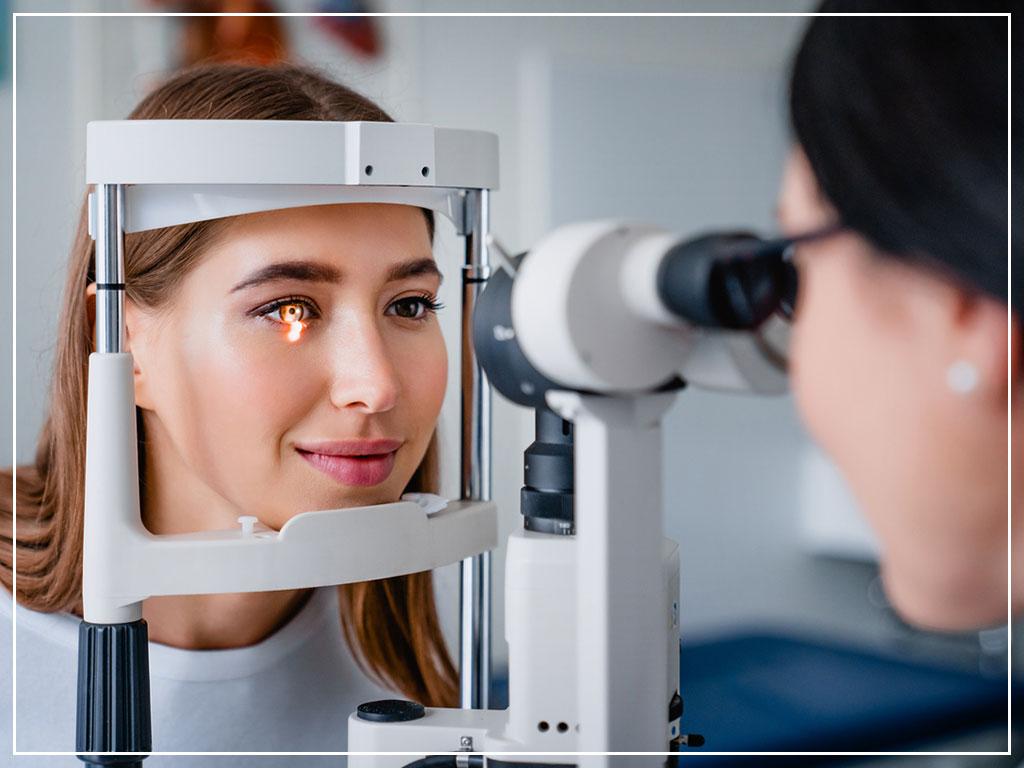
Vision plays a crucial role in our daily lives, influencing how we interact with the world around us. For those experiencing visual impairments due to injury, age-related conditions, or other medical issues, the journey to restore vision can be transformative. vision restoration services encompass a range of treatments designed to improve or restore sight, providing hope and improved quality of life for many individuals. In this article, we will explore the various types of vision restoration services available, the conditions they address, and how to choose a suitable clinic for your needs.
Overview of Vision Restoration Services: Types and Benefits
Vision restoration services include a broad spectrum of treatments, from surgical procedures to therapeutic interventions. These services aim to restore visual function and enhance the overall quality of life for patients. Common types of vision restoration services include:
- Laser Surgery: Utilizing advanced laser technology, procedures such as LASIK and PRK correct refractive errors like nearsightedness, farsightedness, and astigmatism.
- Cataract Surgery: This procedure involves the removal of the clouded lens of the eye, with an artificial lens replacement, significantly improving vision for those affected by cataracts.
- Corneal Transplants: In cases of severe corneal disease or damage, a corneal transplant can restore clarity to vision by replacing the damaged cornea with a healthy donor cornea.
- Retinal Treatments: Conditions like macular degeneration or retinal detachment may require specialized treatments, including injections or surgical interventions, to preserve or restore vision.
The benefits of these services extend beyond improved eyesight; they can enhance independence, emotional well-being, and overall life satisfaction.
Common Conditions Treated by Vision Restoration Services
Vision restoration services address a variety of conditions that can impair sight. Some of the most commonly treated issues include:
- Cataracts: A condition causing clouding of the lens, leading to blurred vision.
- Refractive Errors: Issues such as myopia, hyperopia, and astigmatism that affect how light enters the eye.
- Age-related Macular Degeneration (AMD): A leading cause of vision loss in older adults, AMD affects central vision.
- Diabetic Retinopathy: Caused by diabetes, this condition can damage the retina and lead to vision impairment.
By seeking vision restoration services, individuals suffering from these conditions can often regain their ability to see clearly and enjoy life’s experiences more fully.
Choosing the Right Clinic for Vision Restoration
Selecting a clinic for vision restoration is an important decision that should be approached with care. Here are some factors to consider:
- Qualifications and Experience: Ensure that the clinic is staffed by qualified ophthalmologists and optometrists with experience in the specific treatments you may need.
- Technology and Techniques: Look for clinics that utilize cutting-edge technology and evidence-based practices to achieve the best outcomes.
- Patient Reviews: Reading testimonials and patient experiences can provide insight into the quality of care and success rates of the clinic.
- Consultation Services: A good clinic will offer comprehensive consultations to discuss your specific needs and treatment options.
Innovative Technologies in Vision Restoration
Innovation in medical technology has significantly enhanced the effectiveness of vision restoration services. Techniques such as femtosecond laser technology, advanced imaging systems, and minimally invasive surgical procedures have improved precision and patient outcomes. Additionally, ongoing research into gene therapy and stem cell treatments holds promise for addressing previously untreatable conditions, potentially offering new avenues for vision restoration in the future.
Patient Experiences and Success Stories
Hearing from individuals who have undergone vision restoration services can be inspiring and reassuring. Many patients report life-changing outcomes after procedures, enabling them to engage in activities they once thought impossible. Success stories often highlight improvements in daily tasks, such as reading, driving, and enjoying hobbies. These narratives not only underscore the effectiveness of vision restoration services but also emphasize the importance of seeking help and exploring options available for those struggling with visual impairments.
In conclusion, vision restoration services offer a beacon of hope for individuals facing vision challenges. With a variety of treatment options available, understanding the conditions addressed, and finding the right clinic can significantly impact the journey towards restored vision. If you or a loved one is considering these services, exploring options such as lens replacement surgery may be a beneficial step towards improving visual health and quality of life.