

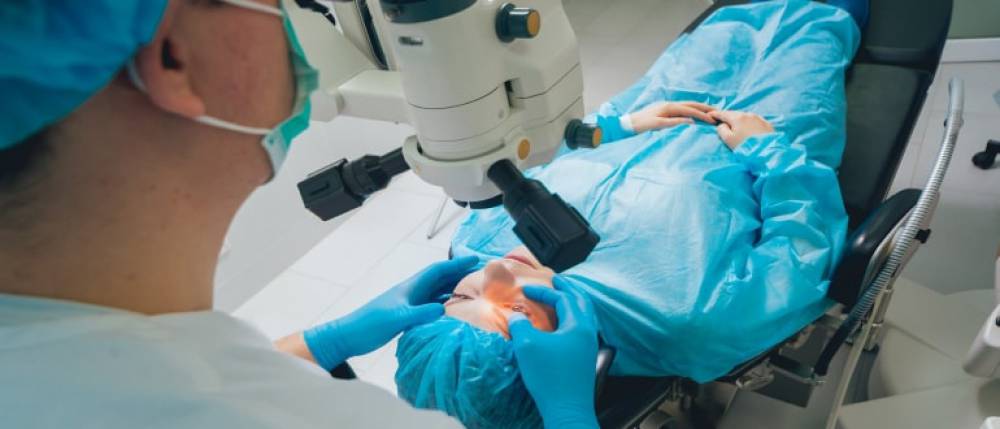
In the realm of medical advancements, few fields have seen as dramatic a transformation as ophthalmology. eye surgery innovations play a crucial role in enhancing vision and improving the quality of life for countless individuals around the world. From laser procedures that correct refractive errors to groundbreaking treatments for cataracts and glaucoma, the continuous evolution of techniques and technologies ensures that patients have access to safer and more effective options. This article explores some of the most significant advancements in eye surgery and their implications for patient care.
Advancements in Laser Eye Surgery
Laser eye surgery has revolutionized the way refractive vision errors, such as myopia, hyperopia, and astigmatism, are corrected. One of the most notable advancements in this area is the development of femtosecond laser technology. This technique allows for the creation of precise incisions in the cornea, significantly reducing the risk of complications associated with traditional methods.
Another key innovation is wavefront-guided LASIK, which utilizes advanced diagnostic technology to analyze the unique imperfections in each patient's eye. By customizing the surgical approach to individual needs, this method can enhance visual acuity beyond what was previously achievable with standard LASIK procedures. As a result, patients often experience quicker recovery times and improved outcomes, making laser eye surgery a preferred option for many.
Innovative Treatments for Cataracts and Glaucoma
Cataract surgery has also benefited from eye surgery innovations, particularly with the introduction of premium intraocular lenses (IOLs). Unlike traditional monofocal lenses, these advanced lenses can correct multiple vision issues simultaneously, allowing patients to enjoy clearer vision at various distances. This adaptability significantly enhances patient satisfaction and reduces the need for additional corrective eyewear after surgery.
For glaucoma treatment, minimally invasive surgical techniques have emerged as a promising alternative to traditional approaches. Procedures such as micro-invasive glaucoma surgery (MIGS) utilize smaller incisions and reduce tissue trauma, leading to faster recovery times and lower postoperative complications. These innovations are particularly beneficial for patients who may be at higher risk for complications from more invasive surgeries.
Emerging Technologies in Retinal Surgery
The field of retinal surgery has also seen remarkable progress, particularly with the advent of new imaging technologies and surgical techniques. Optical coherence tomography (OCT) has become a vital tool for diagnosing and monitoring retinal diseases. This non-invasive imaging technique provides high-resolution cross-sectional images of the retina, allowing ophthalmologists to detect abnormalities earlier than ever before.
Moreover, advancements in vitrectomy techniques, including the use of small-gauge instruments, have improved surgical outcomes for patients with retinal detachment and other complex conditions. These innovations minimize trauma to the eye and facilitate quicker healing, which is particularly important for preserving vision in patients facing severe retinal issues.
Conclusion
Eye surgery innovations represent a remarkable leap forward in the field of ophthalmology, offering patients improved options for vision correction and eye health. The advancements in laser technologies, cataract and glaucoma treatments, and retinal surgical techniques not only enhance patient outcomes but also contribute to a greater understanding of eye health. As research and development continue, it is essential for patients and practitioners alike to stay informed about emerging trends and techniques in eye care. By doing so, individuals can make informed decisions about their vision health and explore the most effective treatments available.
For those interested in exploring laser eye surgery and its benefits further, resources are available to provide comprehensive information and guidance on the procedures involved.